

Most clicked hotels (last 30 days)
Hotels to remember: Bay of Naples
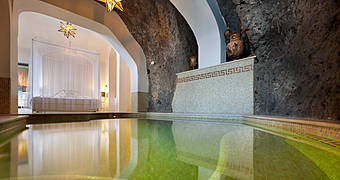
Bellevue Syrene
Sorrento (Napoli) - 5 Star Hotels
Hotel Bellevue Syrene occupies a historic aristocratic residence, combining the history of Sorrento and the charm of Italy's coast.
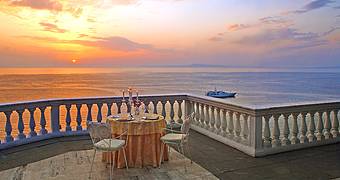
Grand Hotel Cocumella
Sorrento (Napoli) - 5 Star Hotels
Sorrento's Grand Hotel Cocumella has been one of the most luxurious and prestigious hotels on the coast since 1822.
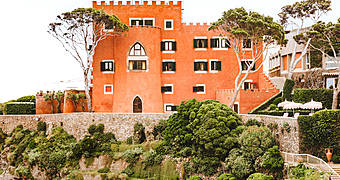
Mezzatorre Hotel and Thermal SPA
Ischia (Napoli) - 5 Star Hotels
Luxurious rooms, amazing cuisine, superb spa facilities and the crystal clear sea washing the Bay of San Montano, together make Mezzatorre Resort & Spa one of Ischia's most sought-after hotels.
Decumani Hotel de Charme
Napoli

La Tonnara Hotel
Procida
Residenza Molini
Massa Lubrense

Albergo La Vigna
Procida
Grand Hotel La Medusa
Castellammare di Stabia
Hotel Le Querce
Ischia

Albergo Palazzo Decumani
Napoli

Grand Hotel Ambasciatori
Sorrento

MelRose Relais
Massa Lubrense
Bellevue Syrene
Sorrento
Costantinopoli 104
Napoli
Garden & Villas Resort
Forio - Ischia

Grand Hotel Cocumella
Sorrento
Grand Hotel Due Golfi
Sant'Agata sui Due Golfi
Attico Partenopeo
Napoli
Grand Hotel De La Ville
Sorrento
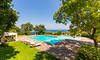
Villa Capricorno
Ischia

Relais Blu
Massa Lubrense
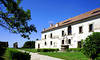
Masseria Astapiana Villa Giusso
Vico Equense

Cubo Apartments
Vico Equense
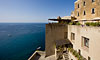


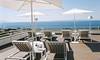
Villa Oriana Relais
Sorrento
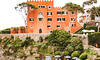
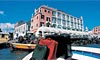
Miramare e Castello
Ischia
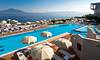
Towers Hotel Stabiae Sorrento...
Castellammare di Stabia


Grand Hotel Santa Lucia
Napoli

Hotel Parco Smeraldo Terme
Barano d'Ischia
Villa dei D'Armiento
Sant'Agnello, Sorrento
Hotel Antiche Mura
Sorrento
Hotel & Spa Bellavista Francischiello
Massa Lubrense
Hotel Cristina
Sant'Agnello
Hotel San Giorgio Terme
Barano d'Ischia

Terme Manzi Hotel & Spa
Casamicciola Terme - Ischia
Grand Hotel Angiolieri
Seiano di Vico Equense
Delfini Strand Hotel Terme
Ischia
L'Albergo della Regina Isabella
Lacco Ameno - Ischia

Grand Hotel Excelsior Vittoria
Sorrento
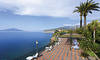
Grand Hotel Royal
Sorrento
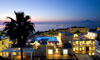
Grand Hotel La Favorita
Sorrento

Romeo Hotel
Napoli

Grand Hotel Capodimonte
Sorrento
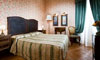
Chiaja Hotel de Charme
Napoli

Vico Street
Napoli
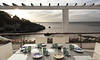
Ischia Blu Resort
Ischia
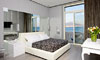
Relais Sul Mare
Napoli

Relais Don Alfonso 1890
Sant'Agata sui Due Golfi
ItalyTraveller - 100% Pure Inspiration
Last 30 days
TOP 10 Experiences
Most clicked hotels
Travel ideas: Bay of Naples

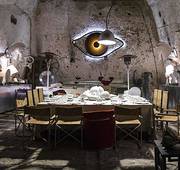



Bay of Naples: suggestions from the insiders
(Insider)
Not sure where to stay? Check out some of our best boutique sleeps in a few of our favorite Italian cities. (Boutique & the City) →
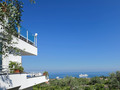
Villa Oriana Relais is the ideal place where you can enjoy a peaceful holiday in a family atmosphere. It is surrounded by an orchard with orange and lemon trees and lies on on a hill with a fantastic view of the Gulf of Naples and Vesuvius. (Villa Oriana Relais) →
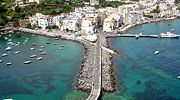
Ischia, the biggest of the Gulf of Naples islands, at about 10 miles from the mainland, is known as the Green Island on account of its rampant Mediterranean vegetation or the Island of Good Health, on account of its thermal springs (L'Albergo della Regina Isabella) →
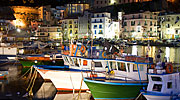
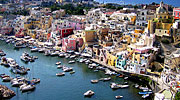
Procida is the smallest of the islands in Italy's Bay of Naples and still conserves the authentic charm of a traditional fishing village (Albergo La Vigna) →
Others
Bay of Naples at a glance
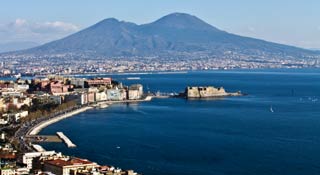
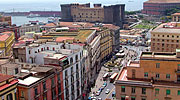
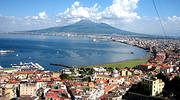
Vibrant, passionate, unique: words which perfectly describe the bay lying in the shadow of Vesuvius. A land home to ancient traditions, archaeological and artistic treasures, and the world's most enchanting islands.
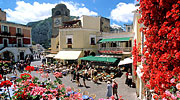
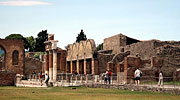
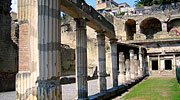
A wonderful climate, a spectacular sea, and magnificent cities constructed centuries ago by the ancient civilisations who passed through the gulf, leaving behind them the traces of their art and architecture. The Bay of Naples, rich in archaeological, artistic, and monumental works, is renowned for the warmth of its inhabitants and their passion for music, dance, and the dramatic arts. From the vibrant and densely populated city of Naples to the elegant Sorrento and the ruins of Pompei, the bay offers a series of unique and unforgettable town and seascapes. Vying with the beauties of the mainland, across the water lie the three small islands of the gulf Procida, Ischia, and Capri.
Places to stay
Bay of Naples: gourmet addresses

- Trattoria La Lazzara
- Napoli
- Near Molo Beverello. Pizza, ragù, genovese, fish fry and typical neapolitan dishes.
- +39 081 551 7854
- https://www.facebook.com/trattoriapizzerialalazzaranapoli/

- Pizzeria Trianon
- Napoli
- Good pizza, try the special Margherita. Fast service and very large venue.
- www.pizzeriatrianon.it

- Antica Pizzeria da Michele
- Napoli
- Margherita or Marinara? Only two pizzas for the historic and exquisite Neapolitan pizzeria.
- www.damichele.net

- Pizzeria Sorbillo
- Napoli
- Sorbillo mean pizza in Naples. Worth waiting a little.
- www.sorbillo.it

- Campagnola
- Napoli
- Homemade cuisine in the Naples city center.
- www.campagnolatribunali.com

- La Cantina di Dante
- Ercolano
- Warmth and taste, cold meats and cheeses, grilled meat and delicious wine.
- +39 347 8576 840
- cantinadidante.it

- Relais Blu
- Massa Lubrense
- +39 081 878 9552
- www.relaisblu.com

- Torre del Saracino
- Vico Equense
- Gennaro Esposito and his award winning celebration of the flavours of the Mediterranean.
- +39 081 8028555
- www.torredelsaracino.com

- L'Accanto
- Vico Equense
- Dishes of the sea and the land interpreted with class and imagination.
- +39 081 8029161
- www.grandhotelangiolieri.it

- L'antica trattoria
- Sorrento
- Excellent traditional dishes served in the dining room or under the vine covered pergola.
- +39 081 8071082
- www.lanticatrattoria.com

- Palazzo Petrucci
- Napoli
- In the restored stables of an ancient palazzo, one of Naples' most exciting modern restaurants.
- +39 081 5524068
- www.palazzopetrucci.it

- A Fenestella
- Napoli
- At Marechiaro, authentic Neapolitan recipes and the flavours of the sea.
- +39 081 7690020
- www.afenestella.it

- Don Alfonso 1890
- Sant'Agata Sui Due Golfi
- +39 081 8780026
- www.donalfonso.com
More suggestions and useful addresses

- Astarita Car Service
- www.astaritacarservice.com

- San Carlo Theatre
- Napoli
- The oldest working theatre in Europe, entertaining audiences since 1737.
- www.teatrosancarlo.it

- Royal Palace Caserta
- Caserta
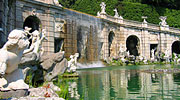
- The magnificent royal residence built for the Bourbon Kings of Naples.
- www.reggiadicaserta.beniculturali.it

- Vesuvius National Park
- San Sebastiano al Vesuvio
- Climb the slopes of the city's most loved and most feared symbol.
- www.vesuviopark.it

- Archeological site of Pompei
- Pompei
- The architecture, the art, and the tragic history of Vesuvius' most famous victim.
- www.pompeiisites.org

- Campania Artecard
- Napoli
- Visiting the famous museums and archaeological sites of the Campania region has never been so easy.
- www.campaniartecard.it

- Ulysse Wellness Experience
- Sorrento
- Swimming, water polo, fitness, spa. All this and more at Sorrento's very first wellness center.
- www.ulyssesorrento.com

- Day Light Napoli
- Napoli
- An exclusive city spa and the wellness philosophy of Marc Mèsseguè.
- www.daylightnapoli.com

- Trial Travel
- Napoli
- The Campania region's undisputed leader for tours, transfers and excursions.
- www.trialtravel.it