

Black magic
Dark tales from Triora, Liguria's Town of Witches
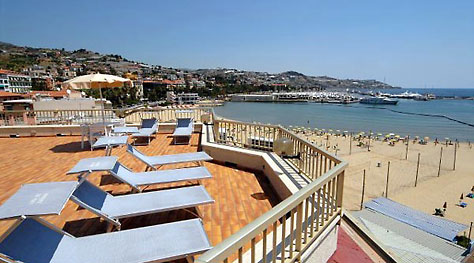
To reach the ancient hilltop town of Triora, from the seaside town of Arma di Taggia take the picturesque road which zigzags up Liguria's incredibly steep and narrow Valle Argentina.
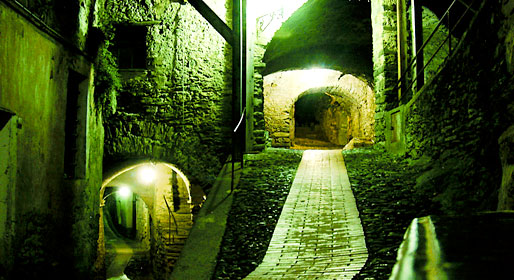
A marvelous medieval maze of little lanes, vaulted passageways and sculpted slate portals, Triora is a member of the "Most Beautiful Villages in Italy" association and has been awarded the Touring Club's Orange Flag for the quality of its eco-tourism
Trials and tribulations in Triora
Triora has been known as the "Town of Witches" since 1587, when it was the theater for witch trials. A number of the women of Triora were accused of being "bagiue", or witches, and of having caused the bad weather, and consequent crop shortages which had plagued the area in that period.
The trials, detailed records of which have been scrupulously conserved over the centuries, resulted in the women being subjected to the most terrible of tortures in order to obtain confessions of their involvement in black magic, nocturnal revelry, and occult meetings in secret locations.
A museum for witches
Anybody interested in discovering more about this dark moment in the town's history should visit the Ethnographic and Witchcraft Museum, in the center of Triora.
Visitors to the museum take a journey back in time, discovering the ancient agricultural traditions, the history and the prehistoric origins of the town. The rooms on the first floor focus on rural life, with material which reveals just how isolated this community once was, perhaps explaining how prone its inhabitants might have been to superstitions and archaic beliefs.
The town's prisons were once located in the basement of the museum and it is here, in all likelihood, that the women accused of witchcraft were incarcerated before they were burnt at the stake
Documents relative to the trials are displayed, along with reconstructions of scenes of the interrogations and the tortures to which the women suspected of being witches were subjected.
Magical itineraries and medieval Viagra
Beyond the walls of the museum, the theme of witches and witchcraft continues, in the form of statues, witches houses, shops selling witchy souvenirs and fascinating "magical itineraries".
During these tours walkers visit the Cabotina, once the poorest quarter of the town and where the majority of the women accused of witchcraft lived; the Lgodegnu, in the woods which was cited in the trial documents as one of the witches favorite meeting places; and Monte delle Forche (Gallows Mountain).
It is said that at the Monte delle Forche a mandrake grew from the 'seed' of the men who had been hanged there, and that this plant was used by the witches in potions which prolonged copulation
This curious web of history and legends becomes all the more intriguing as dusk falls and the sound of footsteps echoing through the vaulted stone passageways of this mysterious town can be heard.
Put it in your diary ( ...or on your smartphone)
Museo Regionale Etnografico e della Stregoneria
Corso Italia 1 - Triora (Imperia)
Opening times: from Monday to Friday 14,30 - 18,00; Saturday and Sunday 10,30 - 12,00
Art
Hotels in the area
- Useful links
- Liguria
- Imperia Hotels
- Sanremo Hotels
- Liguria (all hotels)