

Hotels to remember: Rome
Nerva Boutique Hotel
Roma (Roma) - Small Boutique Hotels
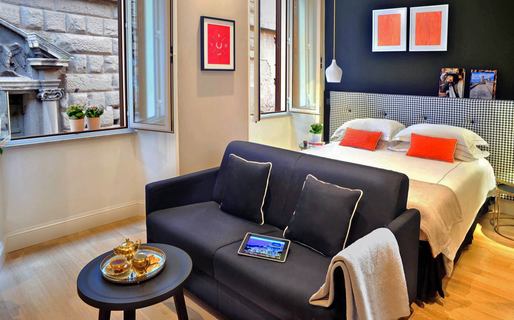
Nerva Boutique Hotel is an intimate hotel in the center of Rome, perfectly located for travellers who want to discover the more authentic side of Italy's capital city.
Villa Giulia Suites
Roma (Roma) - Luxury Suites and Penthouses
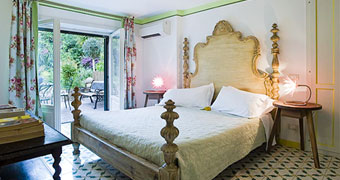
A four suite retreat in the green heart Rome: your home on the Aventine hill
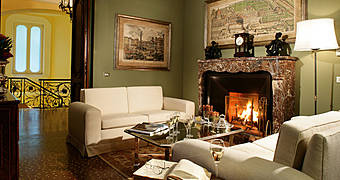
Villa Spalletti Trivelli
Roma (Roma) - Historical Residences
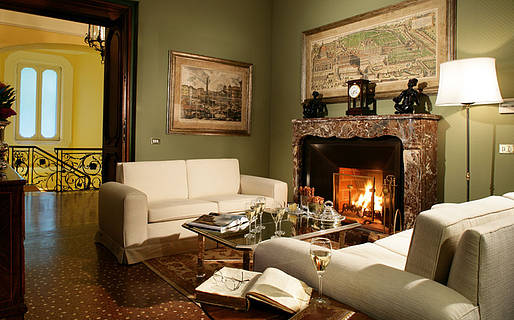
Hotel Villa Spalletti Trivelli offers the ultimate in aristocratic luxury, right in the heart of Rome.













Rose Garden Palace
Roma



Tolentino Suites
Roma


Hotel Lord Byron
Roma

Hotel De Russie
Roma









ItalyTraveller - 100% Pure Inspiration
Last 30 days
TOP 10 Experiences
Travel ideas: Rome

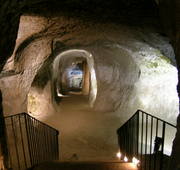
Rome: suggestions from the insiders
(Insider)
Many Italian cemetaries are poignant outdoor museums of art and architecture (The Art of Mourning) →
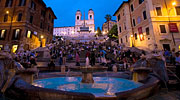
Rome is wonderfull in Spring , the spanish steps are full of flowers and You can fell the best Rome atmosphere of the year! (Residenza Ruspoli Bonaparte) →
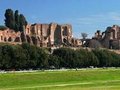
Charming location in the exclusive, green district of the centre of Rome, the Aventino. Surrounded by the most important monuments you'll live the more authentic Rome.ending your day enjoying a delicious dinner in your relaxing garden! (Villa Giulia Suites) →
Rome at a glance
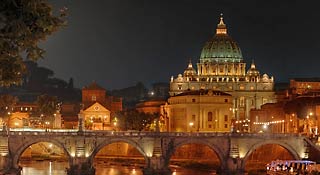
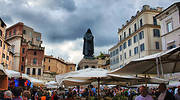
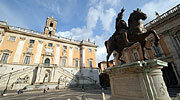
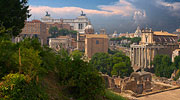
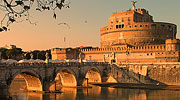
Ancient, renaissance, baroque, contemporary. Political, papal, passionate. Vivacious, frivolous monumental. Rome caput mundi.
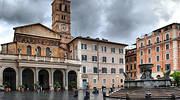
Italys capital city is, arguably, the most visited in the world. For many, Rome is first and foremost the political centre of the nation, for others it is primarily home to the Pope. All agree upon the importance of Rome in the development western civilisation. Once the capital of the Roman Empire, the most powerful of the ancient western world, Rome has retained its impressive cultural, historical, and artistic importance and is still, centuries later, an important protagonist on the world scene. Here, every piazza, street, and alleyway records the history of Rome's glorious past, which is, needless to say, only a part of the city's charm. Ideally, Rome should also be experienced via the old quarters of Testaccio and Trastevere, where to savour the warmth of the people and the authentic soul of the "eternal city".
Places to stay



Rome: gourmet addresses

- Al Grappolo d'Oro
- Roma
- In Campo de'Fiori traditional roman food. Try Ancient roman Menu.
- +39 06 4941441
- www.hosteriagrappolodoro.it

- Quinzi & Gabrieli
- Roma
- One of the finest seafood restaurant in Rome, do not miss the raw and the linguine with lobster.
- www.quinziegabrieli.it

- Giolitti
- Roma
- One of the finest in ice cream in Rome, with homemade whipped cream. Do not miss the Mont Blanc, a small sweet based on chestnuts.
- +39 06 6991243
- www.giolitti.it

- Grano
- Roma
- Very good Italian food a few steps from the Pantheon
- www.ristorantegrano.it

- Ditirambo
- Roma
- In the Campo de'Fiori, the traditional cuisine of Rome, reinvented day after day.
- +39 06 6871626
- www.ristoranteditirambo.it

- Ambasciata di Capri
- Roma
- The unmistakable flavours of the island of Capri in the Prati district of Rome.
- +39 06 3226812
- www.ambasciatadicapri.com

- Mirabelle
- Roma
- The culinary talent of Daniele Sera and a breathtaking panorama across the city of Rome.
- +39 06 42168837
- www.mirabelle.it

- Il Pagliaccio
- Roma
- A talented young chef-patron, exciting menus, and dishes bursting with character.
- +39 06 68809595
- www.ristoranteilpagliaccio.it

- Trattoria Da Danilo
- Roma
- A small restaurant with a menu faithful to the seasons and to the local culinary tradition.
- +39 06 77200111
- www.trattoriadadanilo.it