

Hotels to remember: Crete Senesi
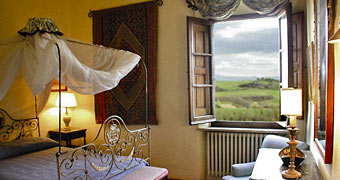
Borgo Lucignanello
Montalcino (Siena) - Historical Residences
A medieval hamlet and stunning period residence in the heart of the Tuscan countryside: Borgo Lucignanello.
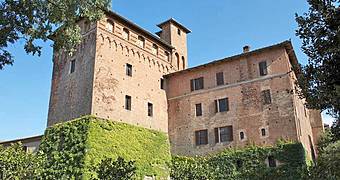
Castello di San Fabiano
Monteroni d'Arbia (Siena) - Countryside Residences
Castello di San Fabiano is a country residence outside Siena where guests can savor the peace and quiet of the Tuscan countryside.
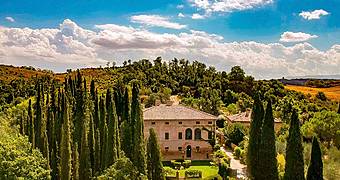
Relais Villa Armena
Buonconvento (Siena) - Small Boutique Hotels
A 16th century residence transformed into a stunning country hotel, Villa Armena Relais is the most luxurious gourmet getaway in Crete Senesi.
Borgo Stomennano
Monteriggioni
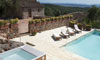
Relais La Costa
Monteriggioni
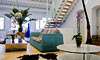
Siena House
Torrita di Siena
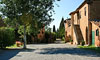
Fattoria Armena
Buonconvento
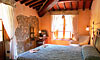
Hotel L'Ultimo Mulino
Gaiole in Chianti
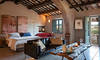
Follonico 4-Suite
Torrita di Siena
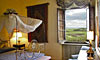
Borgo Lucignanello
Montalcino
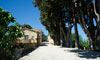
Toscana Laticastelli Country...
Rapolano Terme
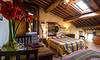
Palazzo Leopoldo
Radda in Chianti
Campo Regio Relais
Siena
Borgo Santo Pietro Relais
Chiusdino
Relais della Rovere
Colle di Val d'Elsa

Relais Villa Armena
Buonconvento
Villa San Sanino
Montefollonico
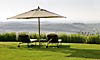
Hotel Le Fontanelle
Pianella
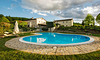
Relais Osteria dell’Orcia
Castiglione d'Orcia
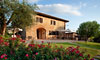
Aia Mattonata Relais
Siena
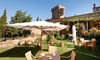
Castello di Gargonza
Monte San Savino
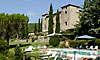
Castello di Spaltenna
Gaiole in Chianti
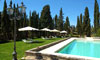
Villa Poggiano
Montepulciano
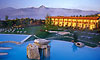
Adler Thermae
San Quirico d'Orcia
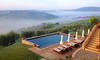
Locanda dell'Artista
San Gimignano
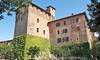
Castello di San Fabiano
Monteroni d'Arbia
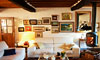
La Casa di Adelina
Monticchiello, Pienza
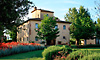
Foresteria il Giardino di...
Alberoro di Monte S. Savino
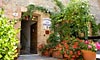
Locanda del Loggiato
Bagno Vignoni
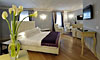
Palazzo San Lorenzo
Colle Val d'Elsa
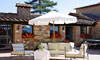
Tenuta di Papena
Chiusdino
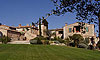
Borgo Casa Bianca
Asciano
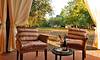
La Pieve Casale di Charme
Colle Val D'Elsa
Travel ideas
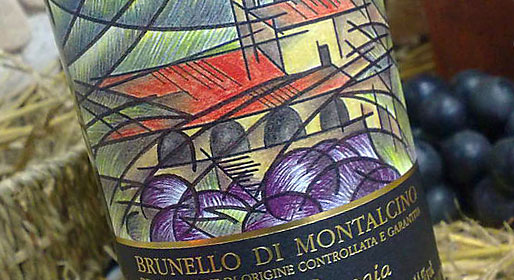
Food & Drink (Tuscany) Food & Drink
Worshipping Brunello
The great Tuscan wine in the historic cellar of Abbadia Ardenga.
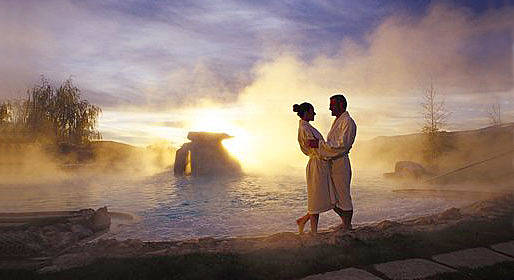
Wellness (Tuscany) Wellness
Salus per Vinum
Wellness Adler Thermae style: history, spa and 5 star hospitality
Crete Senesi: introduction
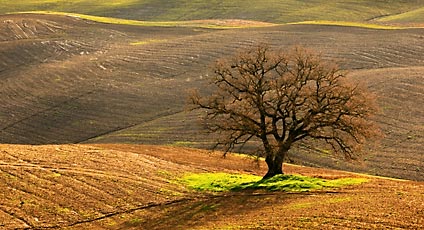
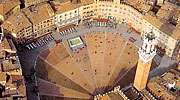
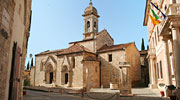
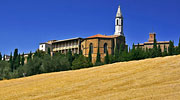
Close to Siena one finds a spectacular and truly unique landscape with a marvelous clay soil. The Crete Senesi is a land scattered with churches, castles and small medieval villages. The main town of the area is Asciano; here visitors can admire the Museum of Sacred Art, the Civic Archaeological Museum in Palazzo Corboli and the Abbey of Monte Oliveto Maggiore.
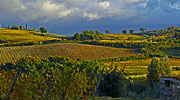
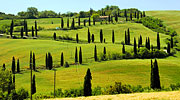
For those interested in traditional crafts, the Crete Senesi is home to numerous workshops where terracotta is transformed in to works of art following traditional techniques. Surrounding the grey Crete Senesi one finds expanses of green countryside, the vineyards of Montalcino, lush meadows and fields full of Sunflowers.
Gourmands will find plenty to satisfy the palate: Pecorino Cheese, white and black Truffles including the most prestigious Truffles from the San Giovanni area, the artichokes of Chiusure, honey, and the world famous red wine, Brunello di Montalcino, The grappa made with the Brunello grapes is quite simply superb.
Crete Senesi: suggestions from the hotels

Amazing views of the Tuscan hills; delicious local dishes combined with Brunello wine from Montalcino; plenty of art and history in all its villages. Welcome to this stunning region between the Orcia Valley and the Crete Senesi! (Borgo Lucignanello) →

Situated in the heart of the Tuscan hills, Gargonza is a thirteenth-century fortified village reminiscent of the toys forts that children enjoy building on the floor, spending hours moving around the tower, the wells or the castle walls. (Castello di Gargonza) →
Charme & Relax between Siena and San Gimignano. The three adult friendly holiday rental apartments were designed to exalt the traditional beauty of Tuscany through the eyes of a modern & elegant decor.“A place of contemplation and silence" (La Pieve Casale di Charme) →
Crete Senesi: gourmet addresses

- Le Coccole dell'Amorosa
- Sinalunga
- An enchanting medieval setting and menus inspired by the local culinary tradition.
- +39 0577 677211
- www.amorosa.it
More suggestions and useful addresses

- Buddha Spa
- Siena
- An inspirational place where to experience lasting sensations of wellbeing.
- www.borgolabagnaia.com
Crete Senesi: places to see in the area
Tuscany: other destinations
- Piombino
- Massa Marittima
- Castiglione della Pescaia
- Orbetello and Argentario
- Siena
- Florence
- Chianti
- Versilia
- San Gimignano
- Maremma
- Forte Dei Marmi
- Crete Senesi
- Montalcino
- San Quirico d'Orcia
- Monteriggioni
- Bagno Vignoni
- Montepulciano
- Arezzo
- Grosseto
- Pisa
- Lucca
- Pistoia
- Val D'Orcia
- Viareggio
- Volterra
- Empoli
- Livorno
- Massa Carrara
- Prato
- Cortona
- Montecatini Terme
- Mugello
- Chianciano Terme
- Elba island
- Pienza
- Chiusi