

ItalyTraveller.com 100% pure inspiration
- 709 handpicked hotels
- 370 travel ideas
- 585 insider tips
Unforgettable hotels - handpicked just for you
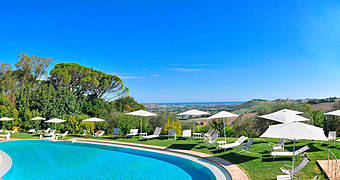
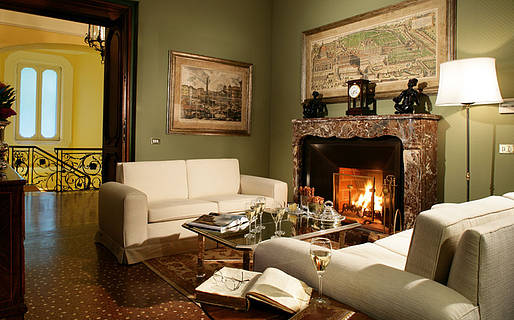
Castello di Monterado
Monterado (Ancona) - Historical Residences
Luigi Vanvitelli's masterpiece... in Marche
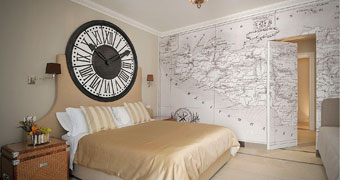
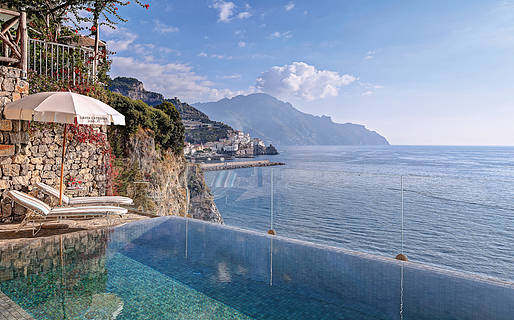
La Dépendance
Noto (Siracusa) - Small Boutique Hotels
Baroque and Sicilian cuisine in the heart of Noto.
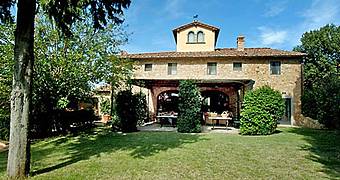
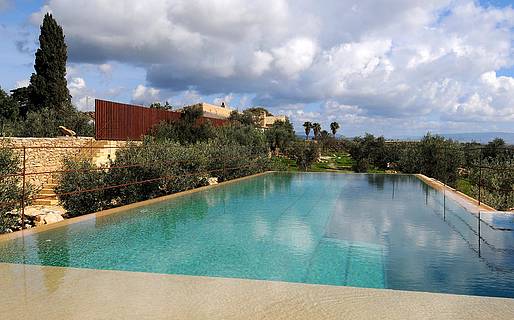
Il Borghetto
Montefiridolfi, San Casciano Val di Pesa (Firenze) - Farmhouse Holidays
The marvelous wines of Chianti and the beauty of the Tuscan countryside are just part of the appeal of a vacation spent at Il Borghetto.
ItalyTraveller - 100% Pure Inspiration
Last 30 days
Most clicked destinations
TOP 10 Locations
TOP 10 Experiences
- Umbria's Renaissance
- Lake & Spa
- A Walk through Anacapri's Philosophical Park
- La Reggia Designer Outlet: Where Fashion Reigns
- Stress-free summers, in Salento
- Homeating: Culture and Cuisine in Naples
- Ready for an (Italian) Adventure?
- Stocking Stuffers from Italy [Part 2]
- Looking good in Giardini-Naxos
- The 10 Best Hot Tubs in Italy
Travel ideas

Shopping (Bay of Naples)
La Reggia Designer Outlet: Where Fashion Reigns
The most famous designer labels in a McArthurGlen Group shopping center
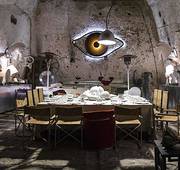
Food & Drink (Bay of Naples)
Homeating: Culture and Cuisine in Naples
Brunch and dinner served in historic residences around Naples
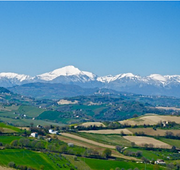
Food & Drink (Marche)
Le Marche - A Secret Haven for Lovers of Italian Food
A part of Italy that will truly satisfy your search for authentic Italian food experiences.
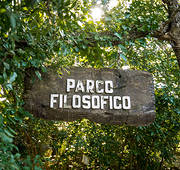
Nature (Capri Island)
A Walk through Anacapri's Philosophical Park
Stroll along a trail lined with philosophical aphorisms and quotes in Anacapri
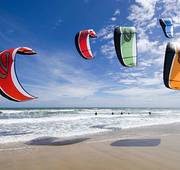
Nature (Veneto)
Ready for an (Italian) Adventure?
If you need a little more than art, history, and food to get your heart pumping, Italy also offers a number of adventure sports.

Art (Umbria)
Umbria's Renaissance
A journey from Spoleto to Perugia, admiring some of the 16th century's greatest works of art.
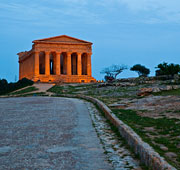
Itineraries (Sicily)
Dominating Sicily
Splendid churches, sumptuous palazzi, crowded streets and a maze of tiny roads and ancient alleyways.
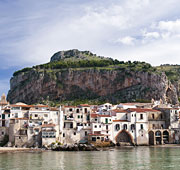
Itineraries (Sicily)
The sea beyond the strait
A trip along the Sicilian coast, from Messina to Cefalù
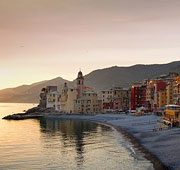
Itineraries (Liguria)
A taste of paradise
Camogli, Santa Margherita, Portofino: the pearls of the Ligurian Riviera.
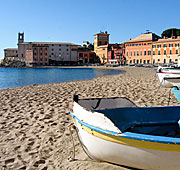
Itineraries (Liguria)
From Rapallo to Sestri
The spectacular stretch of Ligurian coast between Rapallo, Zoagli, Chiavari, Lavagna and the Baia delle Favole.
Insider of the month
Charme & Relax between Siena and San Gimignano. The three adult friendly holiday rental apartments were designed to exalt the traditional beauty of Tuscany through the eyes of a modern & elegant decor.“A place of contemplation and silence" (La Pieve Casale di Charme) →
We created a small Tuscan home where the combination of colors and spaces was our first goal, a place not just any but an oasis of relaxation for all, the taste of a private home combined with elegance and privacy. (Podere Raffaello) →

The Maremma is rich in Etruscan history, hot springs, villages on tufaceous masses, unspoiled nature, lakes, wild animals, mountains, crystal clear sea, museums, genuine food and authentic Tuscan hospitality. (Agriturismo Biologico Sant'Egle ) →