
The sea and hills of Versilia
From Viareggio to Forte dei Marmi, leaving a little time to stop at Colonnata and Camaiore.
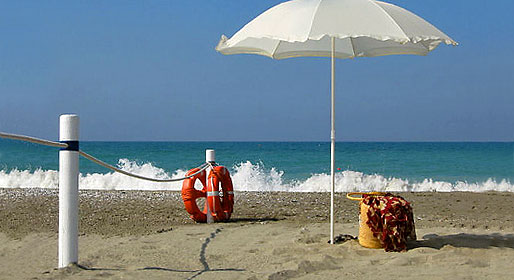
Sun-kissed beaches and shady pinewoods await holidaymakers heading for Viareggio, the Tuscan seaside town famous for its colorful Carnival, buzzing nightlife and elegant Liberty style seafront promenade.
Relaxing in Versilia
After visiting vibrant Viareggio, take a relaxing break in Camaiore, the little town resting in the valley between the coastal plain and the gentle hills of the Versilian hinterland.
From Camaiore head to Pietrasanta, making sure to stop off at the medieval village of Montèggiori. Thanks to its superb position, perched on a hill some 265 meters above sea level, the village enjoys breathtaking views over Camaiore, Pietrasanta, and the surrounding hillside.
The town of artists
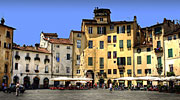
Pietrasanta, the town of artists, lies just 10kms away, at the feet of the Apuan alps. Constructed sometime around the mid 1200's by Guiscardo Pietrasanta by order of the Republic of Lucca, the streets of the historic center are lined with any number of art galleries.
Modern day Pietrasanta is inhabited by artists of every nationality who, together, contribute to the town's fame as effervescent creative hub
Poems and prayers
A detour of just 3,5 kms takes us to Valdicastello Carducci, where to visit the house in which the poet Giosuè Carducci was born and the tiny 9th century Church of San Giovanni and Santa Felicita.
Despite various alterations having been made to the building over the centuries, the church is still one of the most evocative in the whole of Versilia.
Beach glamour
After having breathed the peaceful atmosphere of the Tuscan hillside, we return once more to the coast and Versilia's most exclusive beach resort: Forte dei Marmi famous for its fashionable boutiques, expensive restaurants and ultra-chic night spots.
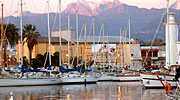
For centuries an elite tourist destination, Forte dei Marmi owes its name to the fortress built here in 1788 by the Grand Duke Leopoldo so as to defend the harbor used for the embarkation of marble from the nearby Apuan Alps
Marble and lard
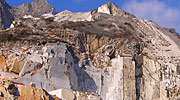
Within easy reach of Forte dei Marmi lies Colonnata, town once inhabited by workers employed by the local marble quarries and famous worldwide for its "lardo", an exquisite cold meat which owes its inimitable taste to its covering in salt, fresh garlic, rosemary, ground pepper and other spices and the long seasoning process (from 6 to 10 months) in special marble tubs.
Those in the area on the second Sunday after the ferragosto holiday(August 15th), should be sure to attend the town's traditional "Sagra del Lardo" festival
Itineraries
Hotels in the area