
Val Gardena, a skier's paradise
Ortisei, the Alpe di Siusi, Santa Cristina, the Saslong and the Sella Ronda
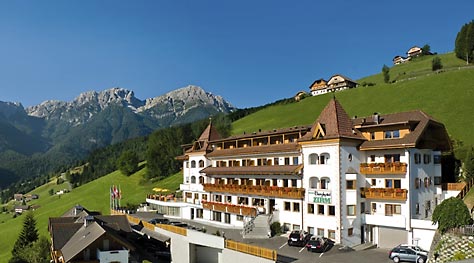
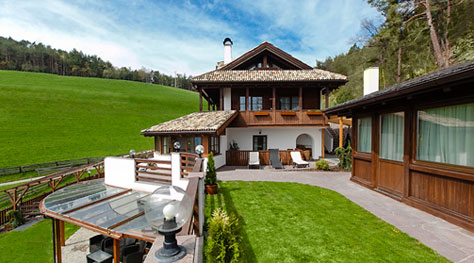
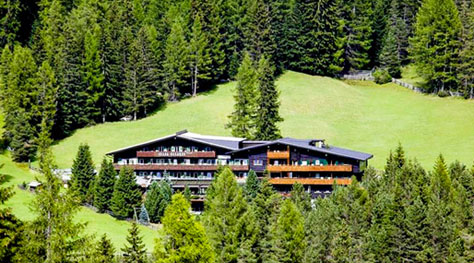
Visitors reach Val Gardena either via the road which from Chiusa leads to Ortisei, or by way of the much older thoroughfare which, from Ponte Gardena passes by the Castelforte, by far the most imposing castle of the South Tyrol, before coming to Ortisei: the gateway of the Val Gardena.
Tourists began to visit this splendid valley of Trentino in the mid 19th century and, since then, the hospitality industry in the area has constantly developed so as to provide the very best, world-class facilities.
Art, crafts and cuisine
Ortisei is the most densely populated of the three towns of the Gardena valley and is located at 1236 meters above sea level in a basin protected by the woods of Rasciesca and the Alpe di Siusi.
Ortisei is known for its artist's studios, where to observe the skilled sculptors from the highly acclaimed Gardenese School at work.
Ortisei is a popular all year round holiday destination: a veritable skier's paradise in the winter and a great base from where to explore the mountains during the warmer months of the year
Whilst in Ortisei, visitors have the opportunity to taste excellent mountain cuisine, including polenta, speck and canederli.
Skiing in Santa Caterina
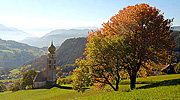
Just 4 kilometers from Ortisei, we find Santa Cristina, an enchanting town the center of which has developed around the church dedicated to the saint, complete with Gothic belltower, typical of the area's mountain towns.
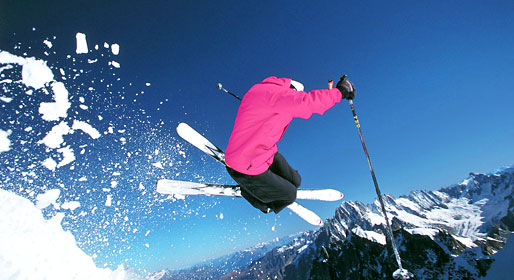
From December to April the whole area is besieged by ski enthusiasts who come to test their skills on famous ski slopes such as the "pista nera", and the "Saslong".
High points
The highest of the towns in the valley, Selva di Val Gardena (1563m) is ideal for winter sport enthusiasts and mountain lovers thanks to its strategic position at the foot of the Sella.
A fine example of the town's contemporary tastes in architecture is provided by the parish church built in 1988, which conserves parts of the pre-existing baroque house of worship within its walls.
The Ronda Express
Those looking for a different way of exploring the valley should take the Val Gardena Ronda Express, an underground funicular railway which allows passengers to pass from one side of the valley to another without ever boarding a bus or getting behind the wheel of a car.
Sports fans will love the Sella Ronda: a group of ski-runs which circumnavigate the Sella mountains
The Sella Ronda ski circuit covers approximately 40 kilometers in total and can be followed in either a clockwise or anticlockwise direction.
Itineraries
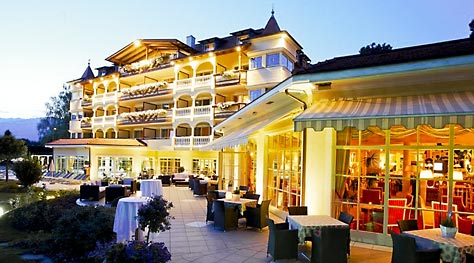
Hotels in the area