

Hotels to remember: Volterra
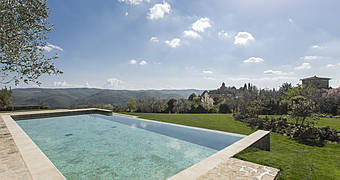
Villa Le Barone
Panzano in Chianti (Firenze) - 4 Star Hotels
A tiny piece of paradise in the heart of Chianti, Villa Le Barone has been custom made for connoisseurs of Tuscan living.
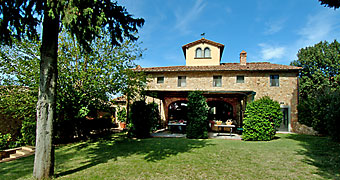
Il Borghetto
Montefiridolfi, San Casciano Val di Pesa (Firenze) - Farmhouse Holidays
In Chianti, where some of the world's finest wines are made: the perfect place to savor the flavor of Tuscany
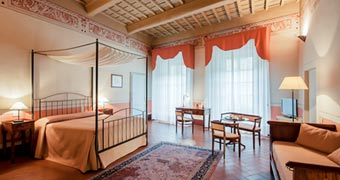
Hotel L'Antico Pozzo
San Gimignano (Siena) - Historical Residences
A period residence in which to discover the history and legends of Tuscany's famous "city of towers"
Tombolo Talasso Resort
Marina di Castagneto Carducci
Borgo Stomennano
Monteriggioni
Il Borghetto
Montefiridolfi, San Casciano Val di Pesa
Villa Le Barone
Panzano in Chianti
Relais della Rovere
Colle di Val d'Elsa
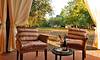
La Pieve Casale di Charme
Colle Val D'Elsa
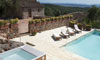
Relais La Costa
Monteriggioni
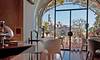
Campo Regio Relais
Siena
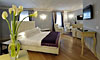
Palazzo San Lorenzo
Colle Val d'Elsa
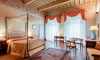
Hotel L'Antico Pozzo
San Gimignano
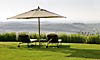
Hotel Le Fontanelle
Pianella
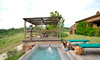
Fattoria Barbialla Nuova
Montaione
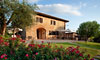
Aia Mattonata Relais
Siena
Castello di Segalari
Castagneto Carducci
Travel ideas
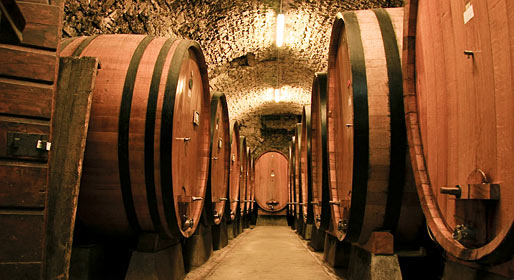
Itineraries (Tuscany) Itineraries
From Florence to Chianti
Florence, San Gimignano, Monteriggioni and Chianti: the history of art and wine.
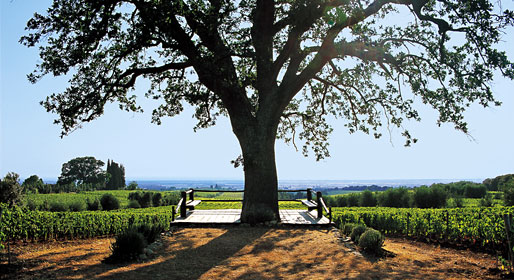
Food & Drink (Tuscany) Food & Drink
Wines of Ornellaia
Wines from the vineyards on the Etruscan Coast.
Volterra: introduction
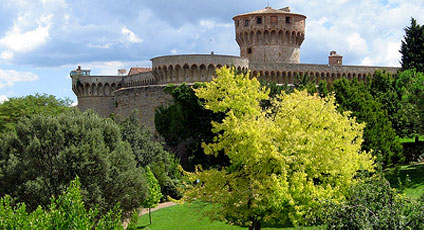
Volterra's three thousand year long history can be seen in the traces left by every era. From the Etruscan period one can admire the Porta dell'Arco, the Necropoli dei Marmini, and the artifacts in the Guarnacci Etruscan Museum. Its isolation has left this exquisitely beautiful medieval town intact. Dating back to Roman times, is the Roman theater of Vallebona.
The Medieval period has made the greatest and most lasting impact on the townscape, divided into four quarters: Borgo St. Alessandro, Borgo St. Lazzaro, Borgo St. Stefano and Borgo St. Giusto, where one can see the Piano di Castello, Porta S.Felice, Porta S.Francesco, Porta Fiorentina and the ecclesiastical buildings of Palazzo dei Priori, the Cathedral of St. Maria, the Baptistery.
Volterra is artistically important, with its Museum of Sacred Art and the Civic Art Gallery. Local craftsmen still create works of art from the famous alabaster. Excursions can be made on foot, bike, or on horseback along designated routes through the splendid Tuscan countryside around Volterra.
Volterra: suggestions from the hotels

Historic Residence in Toscana, Near Siena, Monteriggioni & Chianti. In the heart of the Montagnola wood, full of silence, peace and exclusivity, with amazing views over the Sienese hills, private Spa, restaurant and pool (Relais La Costa) →
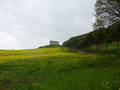
Charme & Relax between Siena and San Gimignano. The three adult friendly holiday rental apartments were designed to exalt the traditional beauty of Tuscany through the eyes of a modern & elegant decor.“A place of contemplation and silence" (La Pieve Casale di Charme) →

This is a part of Tuscany that's remained true to its traditions. Small charming towns, untouched hills and forests, trattorias offering classic Tuscan meals - with real Tuscans at the table next to you. (Fattoria Barbialla Nuova) →
Volterra: gourmet addresses

- Le Coccole dell'Amorosa
- Sinalunga
- An enchanting medieval setting and menus inspired by the local culinary tradition.
- +39 0577 677211
- www.amorosa.it

- Arnolfo
- Colle Val d'Elsa
- In Chianti, a historic restaurant and the magical touch of Giovanni Trovato.
- +39 0577 920549
- www.arnolfo.com
Volterra: places to see in the area
Tuscany: other destinations
- Piombino
- Massa Marittima
- Castiglione della Pescaia
- Orbetello and Argentario
- Siena
- Florence
- Chianti
- Versilia
- San Gimignano
- Maremma
- Forte Dei Marmi
- Crete Senesi
- Montalcino
- San Quirico d'Orcia
- Monteriggioni
- Bagno Vignoni
- Montepulciano
- Arezzo
- Grosseto
- Pisa
- Lucca
- Pistoia
- Val D'Orcia
- Viareggio
- Volterra
- Empoli
- Livorno
- Massa Carrara
- Prato
- Cortona
- Montecatini Terme
- Mugello
- Chianciano Terme
- Elba island
- Pienza
- Chiusi