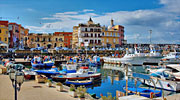

Hotels to remember: Herculaneum
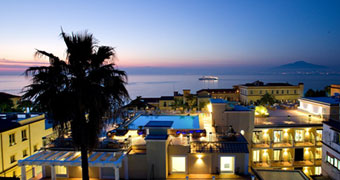
Grand Hotel La Favorita
Sorrento (Napoli) - 5 Star Hotels
In the heart of the historic center of Sorrento, Grand Hotel La Favorita is an elegant 5 star establishment with spectacular views of the Bay of Naples.
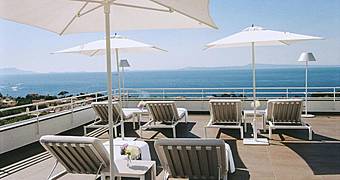
Villa Oriana Relais
Sorrento (Napoli) - Guest Houses
Villa Oriana Relais is a charming residence nestled among lemon and orange groves on the hills of Sorrento, overlooking the Gulf of Naples, with panoramic terraces and family hospitality just minutes from the city center.
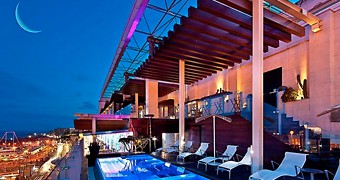
Romeo Hotel
Napoli (Napoli) - 5 Star Luxury Hotels
A luxury design hotel in the heart of Naples, the Romeo Hotel combines cutting edge art and design with the best of traditional Neapolitan hospitality.

Villa dei D'Armiento
Sant'Agnello, Sorrento
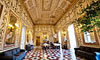
Decumani Hotel de Charme
Napoli

Chiaja Hotel de Charme
Napoli
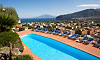
Hotel Cristina
Sant'Agnello

Relais Sul Mare
Napoli
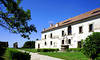
Masseria Astapiana Villa Giusso
Vico Equense

Cubo Apartments
Vico Equense
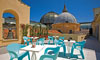
Attico Partenopeo
Napoli

Romeo Hotel
Napoli
Towers Hotel Stabiae Sorrento...
Castellammare di Stabia

Grand Hotel Santa Lucia
Napoli

Albergo Palazzo Decumani
Napoli
Grand Hotel La Medusa
Castellammare di Stabia

Villa Oriana Relais
Sorrento

Grand Hotel La Favorita
Sorrento
Costantinopoli 104
Napoli
Travel ideas
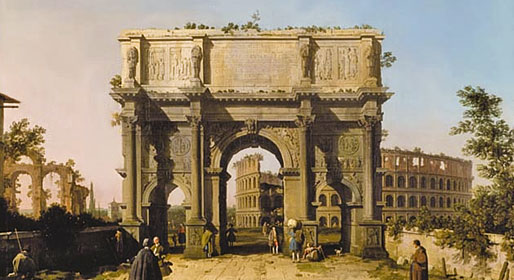
Itineraries (Veneto) Itineraries
An Italian education
Florence, Venice, Rome, Naples: the Grand Tour of Italy
Itineraries (Bay of Naples) Itineraries
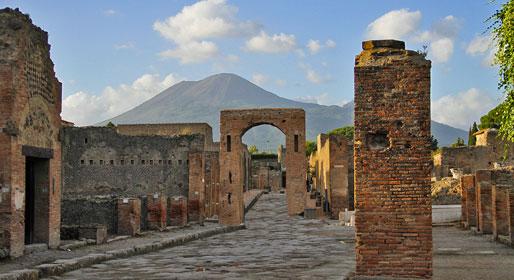
The Golden Mile
Nature, art, and history in the shadow of Vesuvius
Herculaneum: introduction
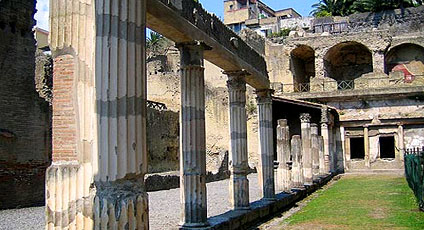
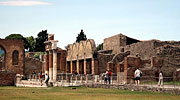
At the feet of Mount Vesuvius, in an area blessed with a superb mild climate, Herculaneum is known throughout the world for the remains of its Roman city buried, along with Pompei, under the ashes provoked by the eruption of Vesuvius in 79 A.D.
At the archaeological site of Herculaneum it is possible to visit the House of Argo, the House of the Deer, the House of the Gem, the House of the Bicentenary, the House of the Mosaic, the House of the Relief of Telephus, the House of the Carbonized Partition, the House of the Mosaic Atrium, the Samnite House, the Gymnasium, the Theatre, the Baths, the Suburban Baths and the Villa of the Papyrus.
As well as being site of great archaeological interest, Herculaneum has a flourishing economy thanks to its agricultural industry, and in particular its floricultural industry, responsible for one of Italy's most prolific productions of carnations and roses. Herculaneum is an important port with small fleet of fishing boats and merchant ships which provides employment for a great number of the town's inhabitants. At the large market of Pugliano both new and used items of clothing are sold.
Herculaneum: suggestions from the hotels
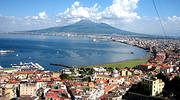
Villa Oriana Relais is the ideal place where you can enjoy a peaceful holiday in a family atmosphere. It is surrounded by an orchard with orange and lemon trees and lies on on a hill with a fantastic view of the Gulf of Naples and Vesuvius. (Villa Oriana Relais) →

Need a strategical gateway to Sorrento Peninsula and Amalfi Coast? Villa D'Armiento is the best one, with a spectacular view from "Belvedere Marinella" just a few steps far from the residence. (Villa dei D'Armiento) →
"There are places that you go to, and once is enough..................and then there is Naples" cit. John Turturro (Decumani Hotel de Charme) →
Herculaneum: gourmet addresses

- La Cantina di Dante
- Ercolano
- Warmth and taste, cold meats and cheeses, grilled meat and delicious wine.
- +39 347 8576 840
- cantinadidante.it
More suggestions and useful addresses

- Astarita Car Service
- www.astaritacarservice.com

- Vesuvius National Park
- San Sebastiano al Vesuvio
- Climb the slopes of the city's most loved and most feared symbol.
- www.vesuviopark.it

- Archeological site of Pompei
- Pompei
- The architecture, the art, and the tragic history of Vesuvius' most famous victim.
- www.pompeiisites.org

- Trial Travel
- Napoli
- The Campania region's undisputed leader for tours, transfers and excursions.
- www.trialtravel.it